
Hantavirus: Are We at Risk?

Although recent news about a hantavirus outbreak on a cruise ship has raised concerns about this disease, the risk from widespread infection in the U.S. is extremely low.
The infected passengers tested positive for the Andes strain of hantavirus. The chances of getting infected by this strain in the U.S. are extremely low because:
- this strain is present only in South America;
- it is only carried by rodents native to South America - these rodent species are not found in the United States;
- you must have close or long-term exposure to individuals infected with this particular virus.
Hantavirus in California
There are different strains of hantavirus; the Sin Nombre virus (SNV), is found in California. Fortunately, this virus is not highly contagious, does not spread from person to person and exposure to the virus is not likely to occur in urban and suburban environments.

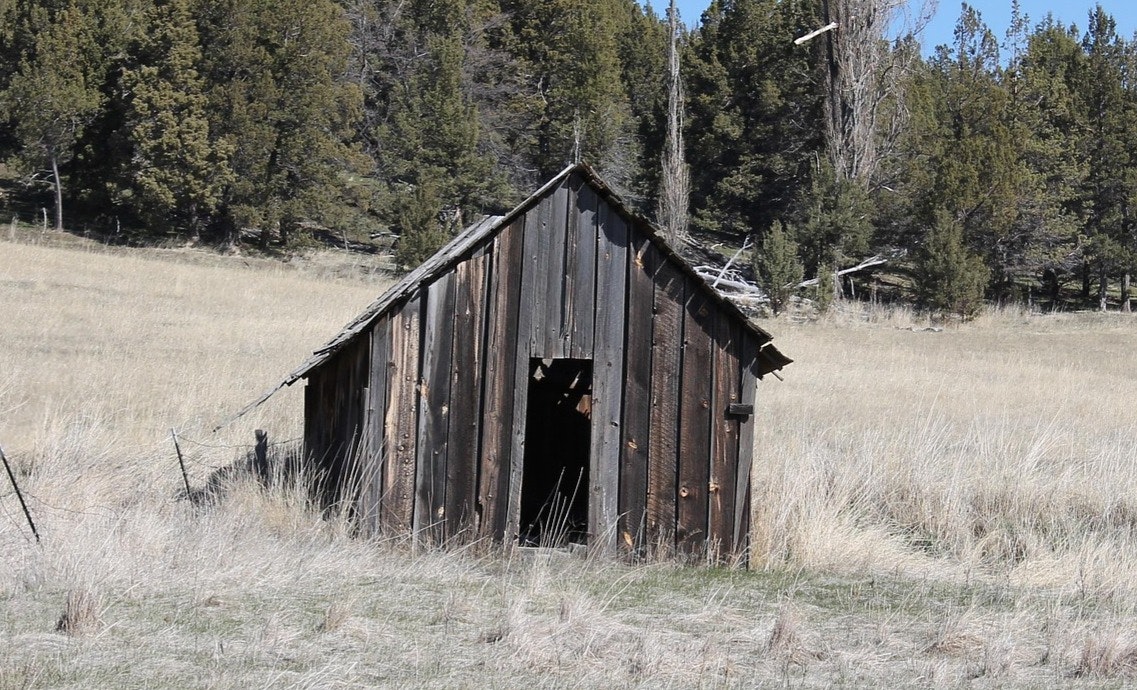
The SNV strain is carried in small, wild rodents like deer mice and voles, which are common in rural and wilderness areas. Structures like cabins, sheds and other outbuildings located in these areas can be infested by deer mice. Other small rodents like squirrels, chipmunks, gophers, house mice and rats are not known to be a source of SNV.
People get infected with SNV by breathing in contaminated dust particles in areas soiled by rodent urine and droppings. You can avoid and greatly reduce the chance of hantavirus infection when cleaning up rodent waste by taking some extra precautions. Click here to learn how to safely and properly clean up rodent droppings and waste.
For more details about hantavirus and deer mice in California, visit these websites:
- University of California hantavirus webpage. (Note: for those of you who do not like seeing mice, the home page features a very large photo of a deer mouse, so be prepared to see this image if you decide to go to this page.)
- California Department of Public Health Vector-Borne Disease hantavirus page.
Detailed information on diseases in rodents, including SNV, can be found in Chapter 4 of this CDPH annual report (click on image to open it):


Hantavirus history
Click on the link below to read about some of the earliest information and records from the 1990s about hantavirus in California, including two cases in Santa Barbara County, published by the California Dept. of Health Services (now the CA Dept. of Public Health):
CA DHS publication 1994